

Google loves to test new features on small segments of users without announcement. In the past we’ve seen favicons show up in natural results, we’ve seen AJAX serving results to make listings a little more dynamic, and we’ve seen a social search component that lets users customize their search engine results page. Sometimes these experiments make it into production (for example, the latter became Search Wiki), and sometimes they fall off the Google grid.
A few months ago some lucky searchers found longer snippets being returned. On 3/24, Google announced that the longer snippets was now a reality. This is great news for businesses owners.
What’s a snippet?
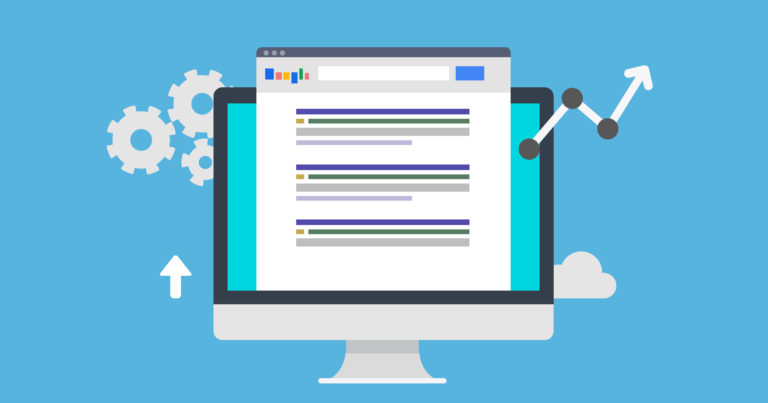
The snippet is the little chunk of text that shows up under a listing in the search engine result pages. It’s not much bigger than a Twitter post, but is very valuable to searchers who are looking intently for answers, entertainment, or products. If the title of the webpage catches the searchers’ attention, they will often scan the snippet to validate whether the listing is worth clicking or not. When the keywords the user searched for are present in the snippet, they get bolded – this is an added bonus and a great attention grabber. Something about the bold text just lures searchers in – often semi-consciously!
Google documentation wants this snippet to be a summary of the content on the page. They say, “We frequently prefer to display meta descriptions of pages (when available) because it gives users a clear idea of the URL’s content. This directs them to good results faster and reduces the click-and-backtrack behavior that frustrates visitors and inflates web traffic metrics.” For all of these reasons, SEOs choose to write the meta descriptions carefully, embedding the keywords and messaging searchers are looking for in 155 characters or less.
So what happens if the meta description is deemed irrelevant or unworthy by Google’s algorithm? Or, if there’s simply no meta description found? Then Google will try to post content from the web page that it deems the best summary for the search query. Once in a while they’ll even reach out to the Open Directory Project for a description. Sometimes Google succeeds, sometimes they don’t. Sometimes they overlook a great existing meta description for a terrible, algorithm determined alternative. Unfortunately in those cases, there’s nothing anyone can do put wait and pray that Google changes its mind down the line (though rewriting the meta description tag can sometimes influence Google). In the end, this is entirely at Google’s discretion.
Benefits of a Longer Snippet
The mighty powers that be at Google have decided for longer keyword searches, the user will benefit from additional lines of text in the snippet. This makes perfect sense. If the query is “Best Athletic Shoe Store For Women”, a longer snippet flushed with more detail could really help a searcher find what their looking for – not to mention improve the click-through rate and conversions. When the searcher is ultimately looking to buy a pair of shoes, our job as SEOs is to make sure our pages are recognized as the most relevant match – not just by Google, but by the user as well – and ultimately satisfy the searchers needs the first time. That’s where the magic happens. That’s where the sales are made. And that’s why a longer snippet is another great tool in our arsenal.
Read more about the longer snippet on Google’s Blog.
Google Showing Longer Snippets
Popularity: 3% [?]


useful post
Longer snippets will mean more clicks if the snippet is optimized. go googling!
Adding a snippet or meta description down the line will usually change out the snippet from your content. Unless the new snippet is less revelvent, which if you know what your typing about it shouldn’t be, then there won’t be an issue with Google changing it.
Google has always put a lot of thought into how they present organic listings on a search engine results page. In fact, they are constantly testing subtle changes to how they present such listings. The hyperlink and URL displayed as part of each search result have seen very few changes over the years. But variations of Google search snippets are frequently being tested.
There are many specialized snippet formats used in the SERPs for very specific types of organic search listings such as those for books, news, and reviews. But these make up only a small percentage of the overall total.
Google loves to test new features on small segments of users without announcement. such as trends, real-time search…